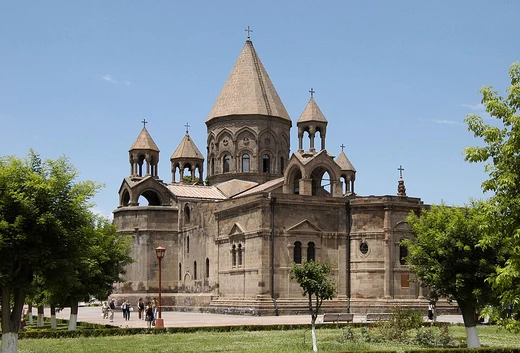
Cologne Cathedral
Cologne Cathedral is Germany's most visited landmark and a Gothic masterpiece.

via Wikipedia: Cologne Cathedral · see source
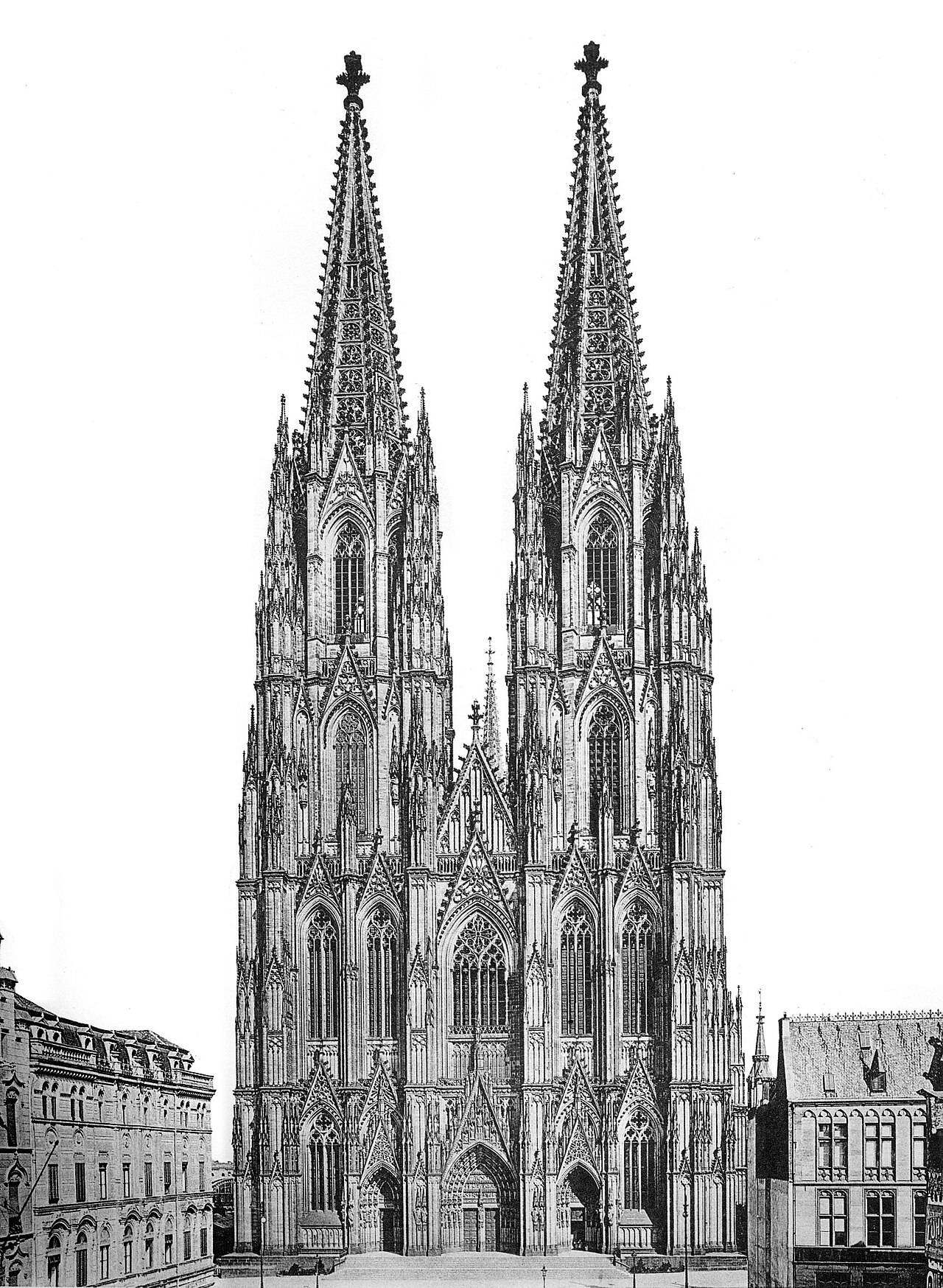
Cologne Cathedral (German: Kölner Dom) is a Catholic cathedral in Cologne, North Rhine-Westphalia. It is the seat of the Archbishop of Cologne and of the administration of the Archdiocese of Cologne. A renowned monument of German Catholicism and Gothic architecture, it was declared a World Heritage Site in 1996. It is Germany's most visited landmark, attracting an average of 6 million people a year. At 157 m (515 ft), the cathedral is the tallest twin-spired church in the world, the third tallest church in Europe after Sagrada Família and Ulm Minster, and the tallest cathedral in the world. The towers for its two huge spires give the cathedral the largest façade of any church in the world. In Cologne, only the telecommunications tower is higher than the cathedral.
- known_for
- Tallest twin-spired church in the world; World Heritage Site; housing the Shrine
Verified Timeline
Lore & Background
Construction of Cologne Cathedral began in 1248, but was halted in the years around 1560. Attempts to complete construction began around 1814, but the project was not properly funded until the 1840s. The edifice was completed to its original medieval plan in 1880. The foundation stone was laid on Saturday, 15 August 1248, by Archbishop Konrad von Hochstaden. The eastern arm was completed under the direction of Master Gerhard, was consecrated in 1322 and sealed off by a temporary wall. Work ceased in 1473, leaving the south tower complete to the belfry level and crowned with a huge crane that remained in place for 400 years. With the 19th-century Romantic enthusiasm for the Middle Ages, and spurred by the discovery of the original plan for the façade, the Protestant Prussian Court working with the church committed to completing the cathedral. It was achieved by civic effort; the Central-Dombauverein, founded in 1842, raised two-thirds of the enormous costs, while the Prussian state supplied the remaining third. The completion of Germany's largest cathedral was celebrated as a national event on 15 October 1880, 632 years after construction had begun. The celebration was attended by Emperor Wilhelm I. With a height of 157.38 m (516.3 ft), it was the tallest building in the world for four years until the completion of the Washington Monument. Predecessor buildings include a Merovingian episcopal church built in the 6th century, likely by King Theudebert I, which served as a burial place for the royal family. A baptistery from late antiquity existed to the east of the cathedral choir. The Carolingian Hildebold Cathedral, consecrated in 870, was one of the largest Carolingian churches ever built. In 1164, Archbishop Rainald of Dassel brought the bones of the Three Wise Men from Milan to Cologne, which was perceived as a 'propaganda success'. Between 1190 and 1225, the Shrine of the Three Kings was made in Cologne, considered one of the most sophisticated goldsmith's works of the Middle Ages. With the construction of the Gothic cathedral in 1248, the Old Cathedral was to be demolished step by step, but careless demolition work and fire destroyed almost the entire cathedral; the Shrine of the Three Kings was saved from the fire. During World War II, the twin spires of the cathedral were an easily recognizable navigational landmark for Allied aircraft bombing. The cathedral suffered fourteen hits by aerial bombs during the war. Badly damaged, it nevertheless remained standing in an otherwise completely flattened city. Repairs of the war damage were completed sufficiently and the cathedral reopened in 1956.
Reader's Guide
Cologne Cathedral stands as a monumental achievement of Gothic architecture and a symbol of German nationhood. Its construction spanned 632 years, reflecting both medieval ambition and 19th-century Romantic revival. The cathedral houses the Shrine of the Three Kings, a masterpiece of goldsmith work that made Cologne an internationally renowned place of pilgrimage in Europe. The building's completion in 1880, funded by civic effort and the Prussian state, was celebrated as a national event attended by Emperor Wilhelm I. At 157.38 meters, it was the tallest building in the world for four years. The cathedral's survival of World War II, despite suffering fourteen hits by aerial bombs, adds to its historical resonance. Today, it remains the seat of the Archbishop of Cologne and a UNESCO World Heritage Site, drawing millions of visitors annually. Its twin spires and vast façade dominate the Cologne skyline, and only the city's telecommunications tower is higher. The cathedral's legacy is one of persistence and faith, embodying the strength of Christian belief across medieval and modern Europe.
Did You Know?
- The cathedral's huge crane remained atop the south tower as a landmark of the Cologne skyline for 400 years.
- The Shrine of the Three Kings, made between 1190 and 1225, is considered one of the most sophisticated goldsmith's works of the Middle Ages.
- The cathedral was the tallest building in the world for four years after its completion in 1880, until the Washington Monument was finished.
- The cathedral suffered fourteen hits by aerial bombs during World War II but remained standing in an otherwise completely flattened city.
- The baptismal piscina in the cathedral's base is considered the oldest evidence of Christian worship in Cologne.
Architectural Supremacy & Global Recognition
Cologne Cathedral stands as the tallest twin-spired church in the world, the third tallest church in Europe after Sagrada Família and Ulm Minster, and the tallest cathedral in the world, reaching 157 metres into the sky. Its two massive spire towers create the largest façade of any church globally. Declared a UNESCO World Heritage Site in 1996, it is celebrated as a monument of both German Catholicism and Gothic architectural achievement. The cathedral draws roughly six million visitors annually, making it the most-visited landmark in all of Germany. Within Cologne itself, only the telecommunications tower rises above its roofline. The building serves as the seat of the Archbishop of Cologne and houses the administrative heart of the Archdiocese of Cologne, anchoring centuries of religious and civic life in North Rhine-Westphalia.
Six Centuries of Unfinished Ambition
The story of Cologne Cathedral's construction spans an astonishing 632 years. Work commenced in 1248, when medieval builders set out to raise a grand structure worthy of housing the reliquary of the Three Kings and serving as a worship space for the Holy Roman Emperor. Yet progress ground to a halt around 1560, leaving the edifice incomplete for centuries. Renewed efforts to finish the building emerged around 1814, but the project lacked adequate financial backing until the 1840s. Only then did sustained funding allow the work to proceed toward its ultimate goal. In 1880, the cathedral was finally completed according to its original medieval design plan. At that moment, its 157.38-metre height made it the tallest building on the planet. The two towers, differing by only a few centimetres, stand as a powerful testimony to the strength and persistence of Christian belief across both medieval and modern Europe.
The Relics That Made a City Famous
In July 1164, Archbishop Rainald of Dassel brought the bones of the Three Wise Men from Milan to Cologne, a transfer he received from Emperor Frederick Barbarossa as war spoils. The event was widely regarded as a propaganda success, and the relics quickly drew pilgrims from across Europe. Between 1190 and 1225, artisans crafted the Shrine of the Three Kings in Cologne, a work now considered among the most sophisticated pieces of medieval goldsmithing. The shrine was positioned at the center of the Old Cathedral, and Cologne's international renown as a pilgrimage destination grew accordingly. An office called the custos regum, or guardian of the kings, was established after 1162 to manage the surging crowds. Yet the cathedral's single narrow side portal proved ill-suited to the traffic, forcing pilgrims to use the same entrance and exit simultaneously. Academic debate persists over whether Rainald himself or Milanese patricians were the true inventors of the relics' veneration.
Layers of Sacred History Beneath the Stone
Long before the Gothic spires rose, Cologne's Christian story was already unfolding on the same hill. Maternus, the city's first bishop around 313, led a small community that met in a residential building rather than a dedicated church. After Roman rule collapsed on the Rhine, Merovingian petty kings built an episcopal church on the site in the 6th century, likely under King Theudebert I. The structure, roughly 40 to 50 metres long, served as a royal burial ground; the king's wife Wisigard was interred there around 537. A 5th-century baptismal font, originally kept in the garden of the Roman meeting house, later became part of a baptistry complex. Today, the surviving baptismal piscina at the cathedral's base is regarded as the oldest evidence of Christian worship in Cologne. In Carolingian times, Hildebold Cathedral was consecrated in 870, stretching about 95 metres and earning the nickname St. Peter's Basilica of the North. Its foundation walls, now exposed through excavations, remind visitors that the great Gothic edifice rests upon a deep palimpsest of faith.
Common Misconceptions (Editorial)
Some people assume the cathedral was continuously under construction from the Middle Ages until its completion, but in fact, work halted for centuries around 1560 and was not properly resumed until the 1840s. Others may believe its survival of World War II was due to being spared intentionally, but the cathedral was actually hit by fourteen aerial bombs and was badly damaged, though it remained standing. A common misconception is that the cathedral was a purely Catholic project from start to finish; however, the completion in the 19th century was driven by the Protestant Prussian Court working with the church and largely funded by civic efforts.
Why It Matters (Editorial)
Cologne Cathedral endures not only as a masterpiece of Gothic architecture but as a symbol of resilience and communal ambition—surviving war, centuries of halted construction, and urban devastation to remain Germany’s most visited landmark. Its towering spires and the priceless Shrine of the Three Kings connect modern visitors to medieval craftsmanship and faith, while its World Heritage status underscores its global cultural significance as a monument built and rebuilt by collective human effort.
Gallery
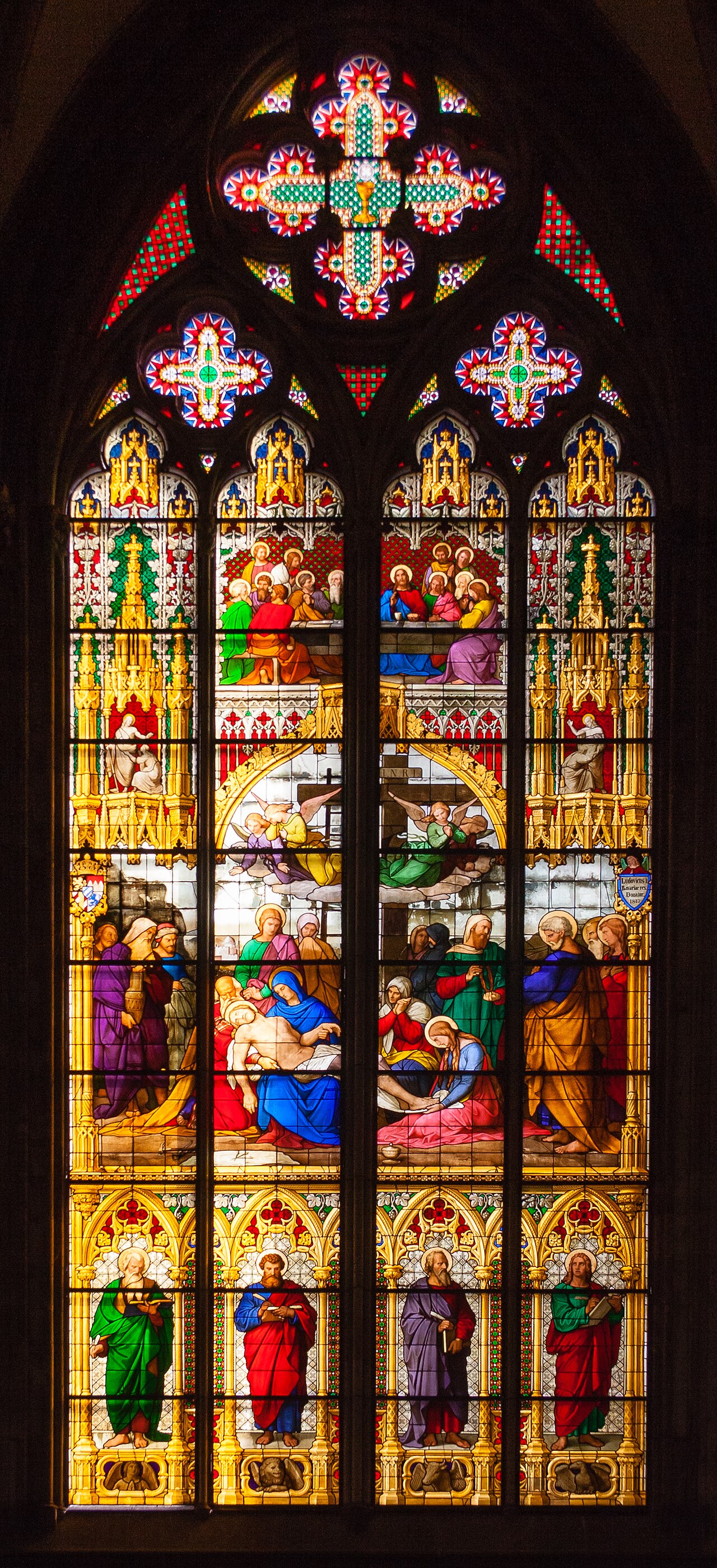
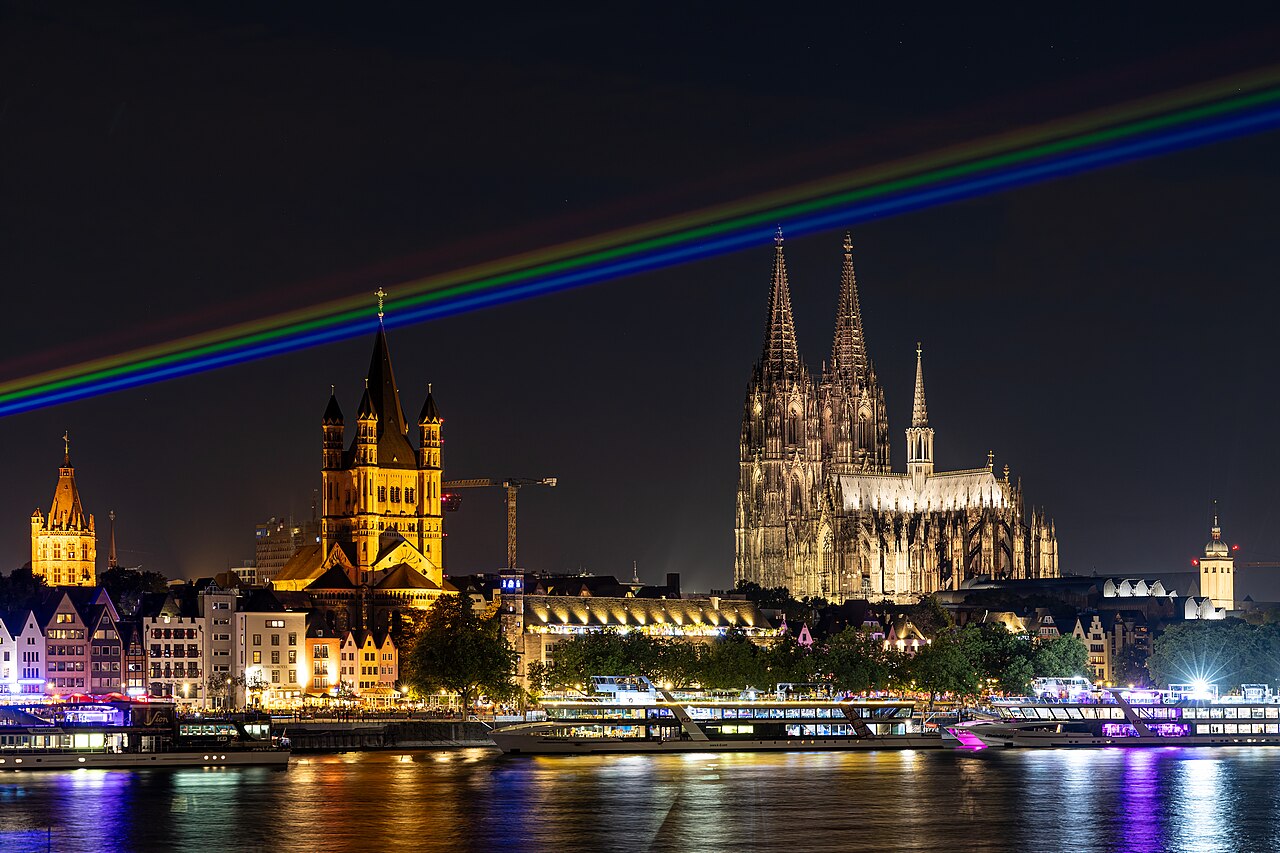
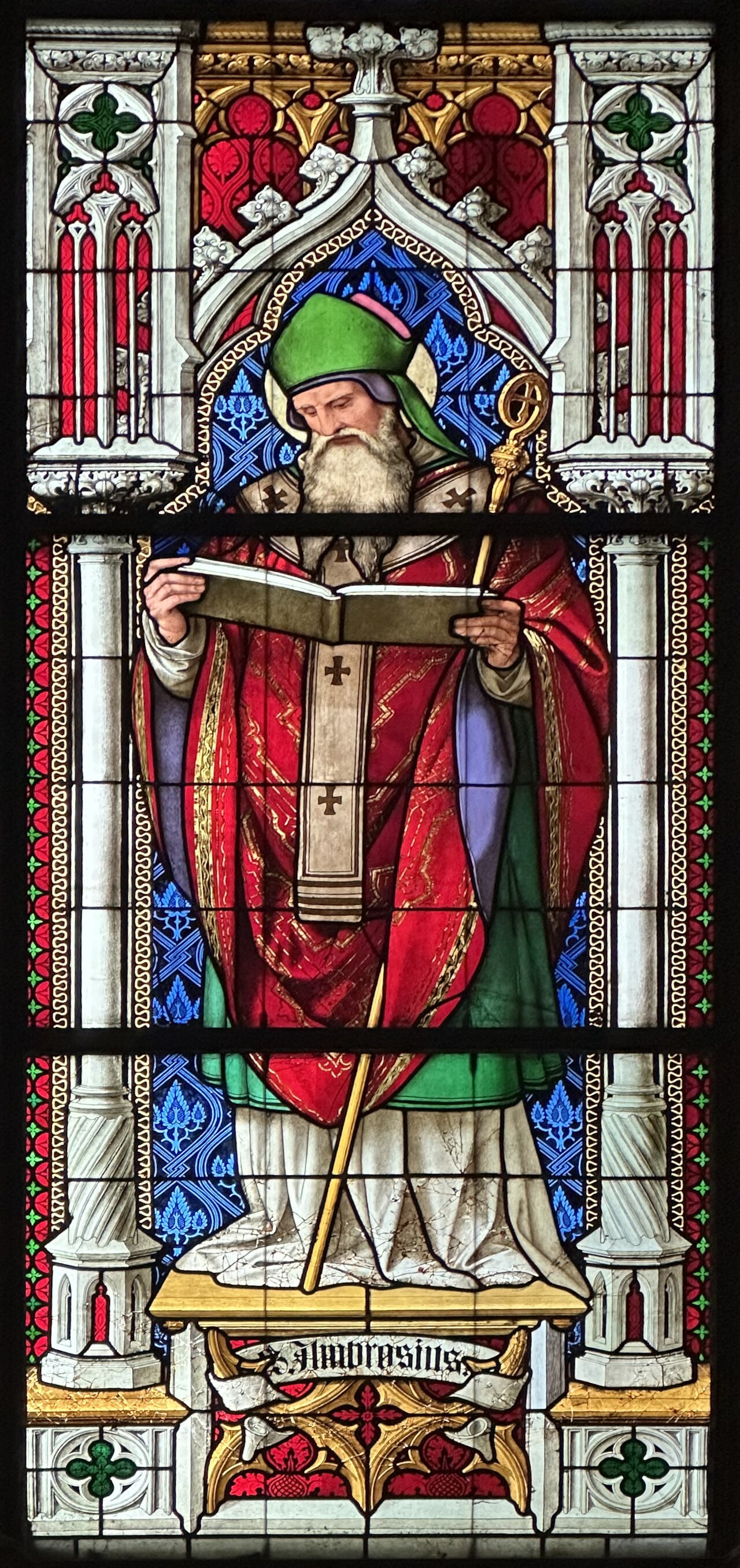
Frequently Asked Questions
Who is Cologne Cathedral?
Cologne Cathedral is a Gothic Catholic cathedral in Cologne, North Rhine-Westphalia, serving as the seat of the Archbishop of Cologne and the administrative hub of the Archdiocese of Cologne. It is widely celebrated as a landmark monument of both German Catholicism and Gothic architectural achievement.
What are Cologne Cathedral's powers/role?
It guards the famous Shrine of the Three Kings and rises to 157 metres, giving it the distinction of being the tallest twin-spired church on Earth. Beyond its spiritual duties, it functions as Germany's most-visited landmark, drawing roughly six million visitors every year.
How does Cologne Cathedral's story end?
Its story has no final chapter; the cathedral remains an active place of worship and a UNESCO World Heritage Site, a title it received in 1996. It continues to anchor Cologne's identity and welcomes millions of pilgrims and tourists annually.
Why is Cologne Cathedral important?
It is regarded as one of the supreme achievements of Gothic design and stands as a defining symbol of German Catholic heritage. At 157 metres, its twin spires make it the second-tallest church in Europe, and its cultural and spiritual influence has spanned nearly a millennium.
Is Cologne Cathedral the tallest church in the world?
Not quite—it is the tallest twin-spired church globally, but Ulm Minster in Germany actually reaches a greater height overall. Ulm Minster, however, is not classified as a cathedral, so Cologne keeps its specific cathedral-spired record.
More in Great Cathedrals 1-20
Spotted an error? Know more?
This is a living reference — every entry is fact-audited, and reader corrections feed straight into our audit queue. Suggest an edit · See this site's audit record